
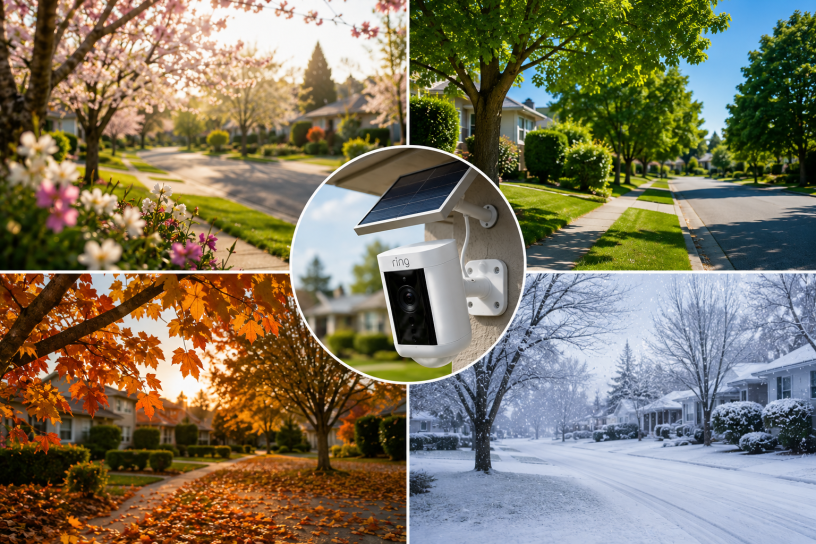
It’s been a year since I installed and shared a DIY guide for installing a Ring Solar Camera. That means it has been through all Australian seasons—about time for an accurate review.
Let’s keep this short and simple, let’s answer the questions I had in mind when installing this.
Questions and answers
1. Will the battery get drained when there’s not much sun on winters?
No. A year later and I haven’t charged this thing. It means the solar panel is doing its job. Even at the peak of winter last year, the battery stayed over 85%.
2. Is the picture good enough?
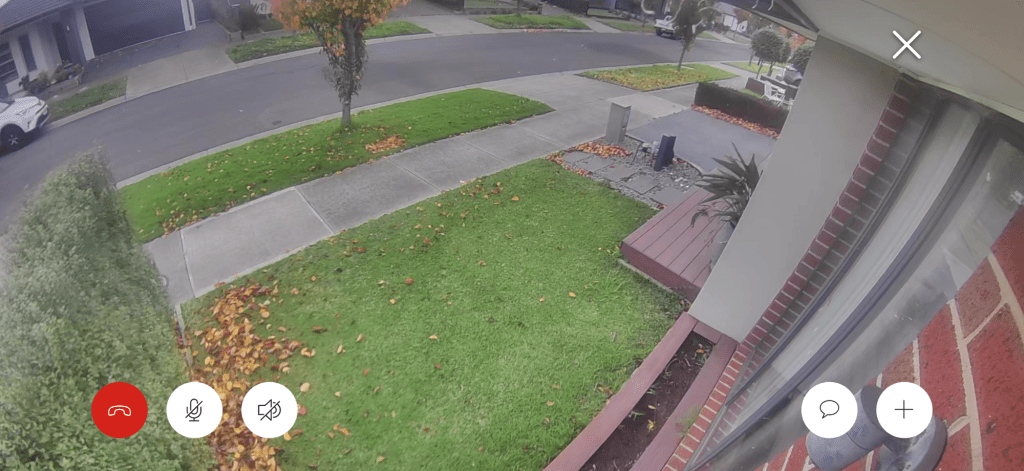
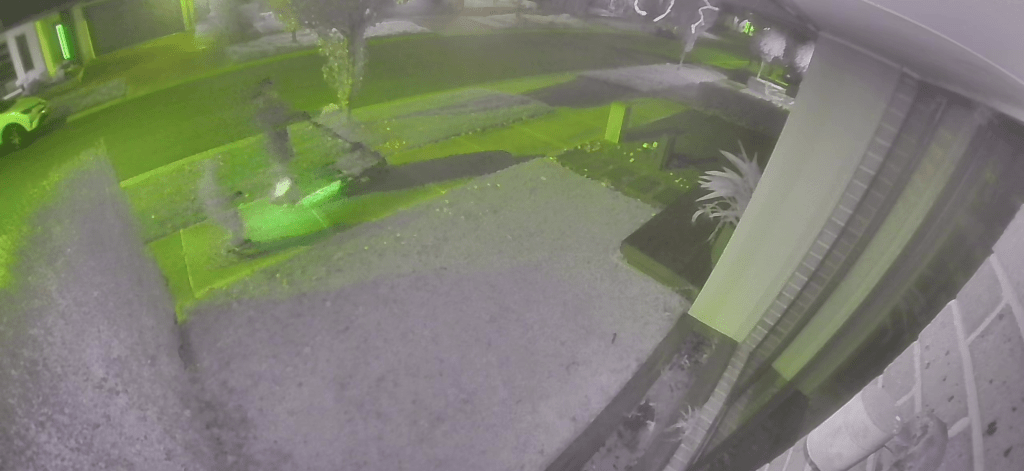
Honestly, I can’t recognize people’s faces. But I think it’s more to do with placement. It’s hanging too high at my eaves. Make no mistake, it is clear—much better than camera’s I’ve seen from slightly older models.
3. Is eaves a good place to mount?
I mounted the Ring camera underneath the eaves. It looks good up there—gives me that higher-ground view of my front yard, up until my neighbours’ houses across the road.
4. Motion sensors
The motion sensors are excellent. But only if it is within the motion sensor zone of course. In my case, there was a time when a certain car would park on my nature strip. I wanted to see the culprit but the camera couldn’t pick it up because it is outside the motion sensor zone. No recording was captured.
Because of the camera’s location, motion detection zones can only cover my front yard and the foot path next to it—nature strip sits just outside its maximum reach.
5. Recording
The camera is set to record only when motion is detected by default. That means, in cases where movement is outside the motion detection zone, there will be no recordings—even if it’s within the camera’s view.
And that’s what happened with that scenario I mentioned above in #4.
However, the good news is you can adjust the settings so that it records every few minutes. That’s what I did with that pesky car on my freshly mowed nature strip.
Be warned that this comes at the battery’s cost. I did turn back to default settings after getting a footage of the culprit.
6. Is the cloud storage worth it?
Ring cameras don’t have local storage units. I have to pay for cloud subscription. It is okay but I got friends who have wired cameras with local storage and they have 24/7 recordings.
I think it could get expensive in cloud if you do that—not to mention battery life.
What I like about it
Easy installation. Unlike wired cameras, this is much more DIY-able. That means you save on costs.
The App. The app is intuitive and easy to navigate.
Battery + solar life. This combo has proven to be effective. I never had to take it down for a charge and power is basically free
What I don’t like about it
Recurring bills. This is something I already know but still went for it. This does not work without cloud storage. Yes, I saved big on installation, but at some point this will be expensive. Having a local storage is better in the longer term.

